
Market Gains, Oil Pains

Geopolitical tensions between the United States and Iran escalated sharply in April, triggering one of the largest global energy supply shocks in modern history. The disruption removed millions of barrels of oil from daily supply, tightening global markets almost immediately. At the same time, US equity markets surged to new all-time highs, driven largely by continued capital investment in artificial intelligence infrastructure.
US officials spent much of the month attempting to stabilize conditions through diplomacy and temporary ceasefires aimed at reopening the Strait of Hormuz. Despite intermittent progress, tensions remained elevated. The US maintained a strong naval presence, including blockades and seizures of Iranian-flagged cargo vessels. Financial pressure also intensified, as US authorities froze cryptocurrency tied to Iranian entities, limiting their ability to move capital through global markets.
Oil prices responded forcefully. Futures for both West Texas Intermediate and Brent crude rose well above $100 per barrel as the supply shock deepened. At one stage, oil prices recorded an eight-day winning streak, underscoring the severity of the shock. Complicating matters further, the United Arab Emirates announced plans to exit OPEC, signaling a strategic shift toward independent production. The combined effects pushed inflation higher across North America and Europe, complicating economic stability.
“Major indices reached successive record highs throughout April, marking their strongest performance since the post-pandemic recovery period in 2020.”
Despite these headwinds, US equity markets demonstrated notable resilience. Major indices reached successive record highs throughout April, marking their strongest performance since the post-pandemic recovery period in 2020. Gains were concentrated in technology and AI-focused firms, where strong earnings and aggressive reinvestment drove investor optimism and elevated valuations.
Macroeconomic data, however, painted a more nuanced picture. US gross output for the first quarter fell short of expectations, while economic activity across Europe slowed. The energy shock has intensified the challenge for central banks, which must now balance persistent inflation risks against decelerating growth. Most policymakers held interest rates steady during April but signaled that the possibility of future rate increases may soon exceed the likelihood of cuts.
Currency and fixed income markets reflected this evolving landscape. The US dollar strengthened, acting as a relative safe haven amid geopolitical instability. Meanwhile, the Japanese yen weakened beyond levels not seen since 1994, prompting speculation of intervention by authorities in Tokyo. Government bond yields moved higher globally, with benchmark rates in Germany and the United Kingdom reaching their highest levels in over a decade.
Taken together, the oil shock may have created a divergence. Stock prices appear innovative-led and focused on growth, while macro conditions reflect liquidity constraints, geopolitical risk, and supply-driven inflation. This gap between market performance and economic reality may become more central over time, particularly as policies respond to global conditions.
Geopolitical
Although active fighting between the US and Iran has largely paused, the Strait of Hormuz remains mostly restricted, leaving global shipping flows and energy markets in a fragile position, and continuing to pressure oil prices higher. Before the conflict, nearly 20% of global oil moved through Hormuz, and the disruption is now showing up directly in consumer prices. Brent crude and gasoline prices have spiked. This “geopolitical cost” is increasingly acting as an imported inflation shock rather than one driven by domestic demand. The US administration has continued escalating pressure through a naval blockade strategy around Iranian ports. Iran has maintained that the Strait will not fully reopen unless those restrictions are lifted.
Although mediators continue discussing temporary arrangements, negotiations have repeatedly fallen short of a broader agreement, leaving markets to assume that the current standoff and elevated volatility could persist longer than initially expected. The conflict is also becoming a growing fiscal and political issue domestically, with the Pentagon estimating direct costs near $25 billion, while the administration simultaneously pushes for a significantly larger defense budget.
A major development within energy markets came with the UAE announcing it will officially leave OPEC effective May 1. While the move could eventually increase global oil supply and weaken OPEC’s pricing influence over time, there is little near-term relief while Hormuz remains constrained. At the same time, uncertainty around US trade policy continues to evolve as courts strike down portions of the tariff framework, refund discussions intensify, and the administration signals it still intends to use tariffs aggressively as an economic and geopolitical tool.
Inflation & Jobs
Recent economic data continued to highlight the tension between a labor market that remains relatively stable and an inflation backdrop that is beginning to reaccelerate. April payroll growth came in well above expectations, while unemployment held steady at 4.3%. Although hiring is no longer running at overheated levels, the data was strong enough to push back against recession concerns and reinforce the idea that the economy still maintains underlying strength.
Beneath the headline employment figures, the data suggests the labor market is being supported by a narrow group of resilient industries even as other parts of the economy remain under pressure from tight financial conditions.
Inflation, however, remains the primary concern for both consumers and policymakers. The Consumer Price Index, or CPI rose 3.8% year-over-year in April, marking the largest annual increase in roughly three years. Energy prices were once again a major contributor, and that pressure seems to be spreading into everyday consumer categories including, food, travel, and household expenses.
"The Consumer Price Index, or CPI rose 3.8% year-over-year in April, marking the largest annual increase in roughly three years.”
The Producer Price Index, or PPI, came in above expectations as well. This seems to further confirm that inflation pressures are extending beyond consumers and into broader business input costs.
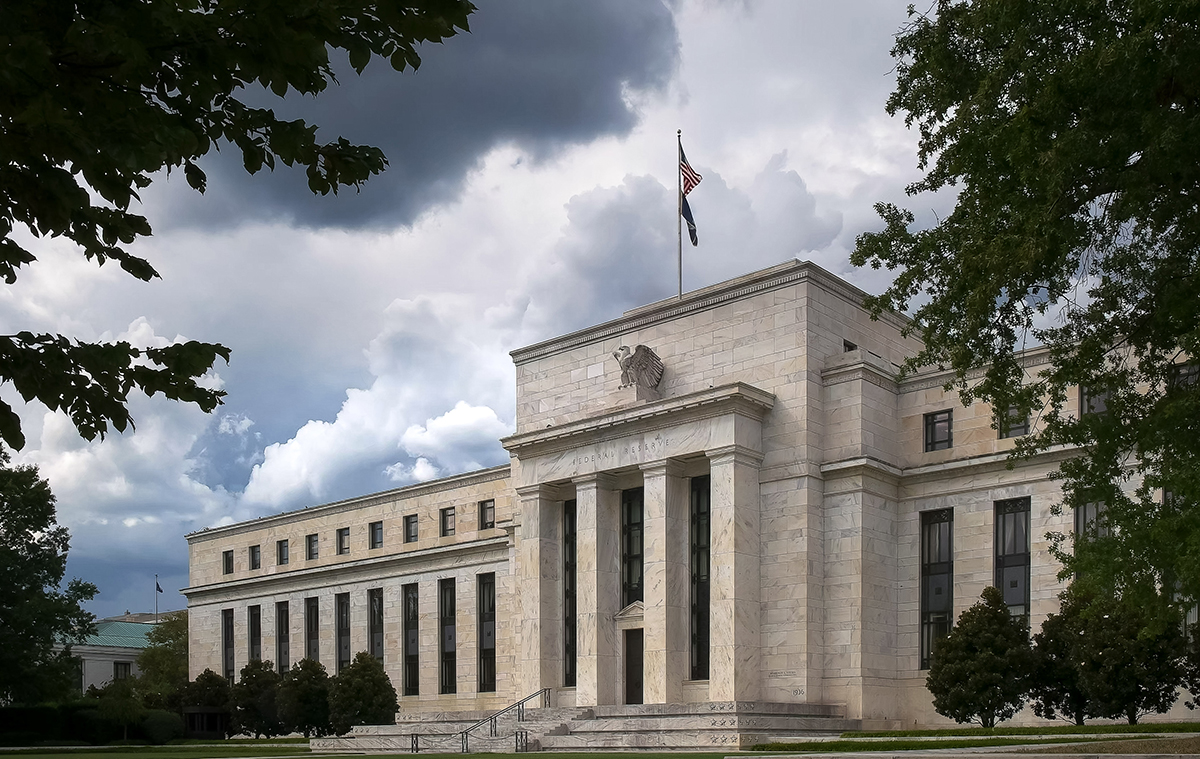
Federal Reserve
The Federal Reserve is entering a leadership transition at a particularly difficult moment, with renewed inflation pressure, energy prices overwhelming macro narratives, and markets becoming less convinced that rate cuts are imminent. Powell’s term as Fed Chair is ending on May 15, with Kevin Warsh set to take over. In his confirmation process, Warsh emphasized the importance of Fed independence, stating it is “essential”, and noting that he would not pre-commit to any policy path under political pressure. At the same time, the nomination process has become increasingly politicized. This matters for markets because it raises the threshold for the Fed to demonstrate that policy decisions are being driven strictly by data rather than political influence.
The recent inflation data has reinforced the challenge facing policymakers. Specifically, the data seems to suggest that tariff effects and energy shocks are increasingly filtering through the broader price structure, rather than remaining isolated.
“The rate decision was notably divided, marking the most dissented vote since the early 1990s.”
That inflation backdrop was reflected in the Fed’s late-April meeting, where rates were held steady. The rate decision was notably divided, marking the most dissented vote since the early 1990s. The internal split and language shift both point to the Fed moving away from an imminent easing narrative toward a more conditional, data-dependent stance.
Chair Powell has effectively acknowledged this pivot, noting that the policy “center” is shifting toward a more neutral stance as the Fed balances persistent inflation against a still-resilient economy and labor market. Market pricing has adjusted accordingly, with expectations of near-term cuts fading, and the probability of additional tightening increasing modestly later this year.

Stocks
Equity markets are sending a mixed message: companies are still behaving like cash is valuable and uncertainty is high, yet the market is being supported by aggressive capital return, particularly from large-cap tech. It seems buybacks are not just “excess cash management”, but are being used as a confidence mechanism to support earnings per share and sentiment.
At the same time, the labor side of the tech story is moving in the opposite direction, as there have been recent major layoffs. This may suggest that companies are choosing a very explicit trade: reduce operating costs and legacy spending while concentrating dollars into AI-related priorities. Overall, the broad equity markets had an outstanding month of April. In the US markets, large, mid, and small caps performed well. On a year-to-date basis, small caps have rebounded and are outperforming the large caps. Over the trailing year, US stocks are up around 30%, which is exceptional.
Internationally, developed and emerging markets have performed very well in April, and since the beginning of the year. Similar to US markets, foreign markets have experienced blockbuster trailing one year returns. The volatility introduced by the Iran conflict has quickly subsided and brought many equity markets to new “all time highs”. This is generally a good thing, but we still believe investors should navigate the markets carefully, as much uncertainty still exists due to the Middle East, the Fed, and the broader economy.
Bonds
Bond markets have repriced quickly as inflation data has been hotter than expected, pushing Treasury yields to levels that investors increasingly view as “critical”. The 10-year yield moved to 4.5%, its highest level since last July. The 30-year yield returned to 5% and also reached a 10‑month high.
These yield increases have affected bonds across various maturities. This kind of synchronization can often indicate a shift in expectations, not noise. Investors may demand additional yield to hold government debt because they believe inflation may remain sticky and policy rates may remain tight for longer. If additional data confirms that inflation is re-accelerating, yields can stay elevated.
Total returns for treasury bonds were generally flat in April, and since the beginning of the year. On a longer-term basis, the total returns for long maturity bonds have struggled more than short and intermediate term bonds. Corporate and high yield bonds posted positive total returns for the month of April, and have respectable total returns over the trailing year. The credit markets have recently been bright spots in broader bond markets.
© Advisory Alpha. Registration with the SEC or a state does not constitute an endorsement of the firm by regulators, nor does it indicate that the adviser has attained a particular level of skill or ability. This content is for informational purposes only and does not intend to make an offer or solicitation for the sale or purchase of any securities. Investing involves risk, including the potential loss of principal. No investment strategy, such as asset allocation or diversification, can guarantee a profit or protect against loss in periods of declining values. All investment strategies involve risk and have the potential for profit or loss. Changes in investment strategies, contributions or withdrawals, and economic conditions may materially affect the performance of your portfolio. There are no assurances that a portfolio will match or outperform any particular benchmark. Investors should carefully consider the investment objectives, risks, fees, and expenses before investing. Any financial services firms referenced in this material do not provide tax or legal advice. Please consult with your tax or legal professional regarding specific issues prior to making a tax or legal decision.
The performance information presented in the asset category section of this report is based on equal-weighted averages of the following Morningstar Categories: US Stocks (US Fund Large Blend, US Fund Mid-Cap Blend, US Fund Small-Blend), Foreign Stocks (US Fund Foreign Large Blend, US Fund Foreign Small/Mid Blend, US Fund Diversified Emerging Mkts), US Bonds (US Fund Intermediate Government, US Fund Inflation-Protected Bond, US Fund Corporate Bond, US Fund High Yield Bond, US Fund Bank Loan), Foreign Bonds (US Fund World Bond, US Fund Emerging Markets Bond), Hard Assets (US Fund Commodities Precious Metals, US Fund Commodities Energy, US Fund Global Real Estate, US Fund Real Estate), Hybrid Assets (US Fund Convertibles, US Fund Preferred Stock).
© 2026 Morningstar. All Rights Reserved. The information contained herein: (1) is proprietary to Morningstar and/or its content providers; (2) may not be copied or distributed; and (3) is not warranted to be accurate, complete, or timely. Neither Morningstar nor its content providers is responsible for any damages or losses arising from any use of this information. Past performance is no guarantee of future results. Morningstar category data is provided for illustrative purposes only to demonstrate a hypothetical investment vehicle represented by a group of similar investments. Morningstar category data is an aggregation across actual funds contained in the category, but it is not possible to directly invest in a category. Index returns are provided for illustrative purposes only to demonstrate a hypothetical investment vehicle using broad-based indices of securities. Unmanaged indexes are not available for direct investment. All data shown does not include internal fund expenses, trading costs, financial advisor fees, commissions, or taxes. This information is not intended to predict the performance of any specific investment or security. Past performance is no guarantee of future results.
Bureau of Labor Statistics. Unemployment Rate, Total Nonfarm Employment, Labor Force Participation, Consumer Price Index, Producers Price Index. www.bls.gov. United States, Department of Commerce, Bureau of Economic Analysis. Personal Consumption Expenditures, Gross Domestic Product, Consumer Spending, Personal Income, and Outlays. www.bea.gov. Federal Reserve. Fed Funds Rate, Fed Funds Target Range, Minutes of the Federal Open Market Committee, Board of the Federal Reserve System Calendar. www.federalreserve.gov. Trump, Donald. @realDonaldTrump. Truth Social.